













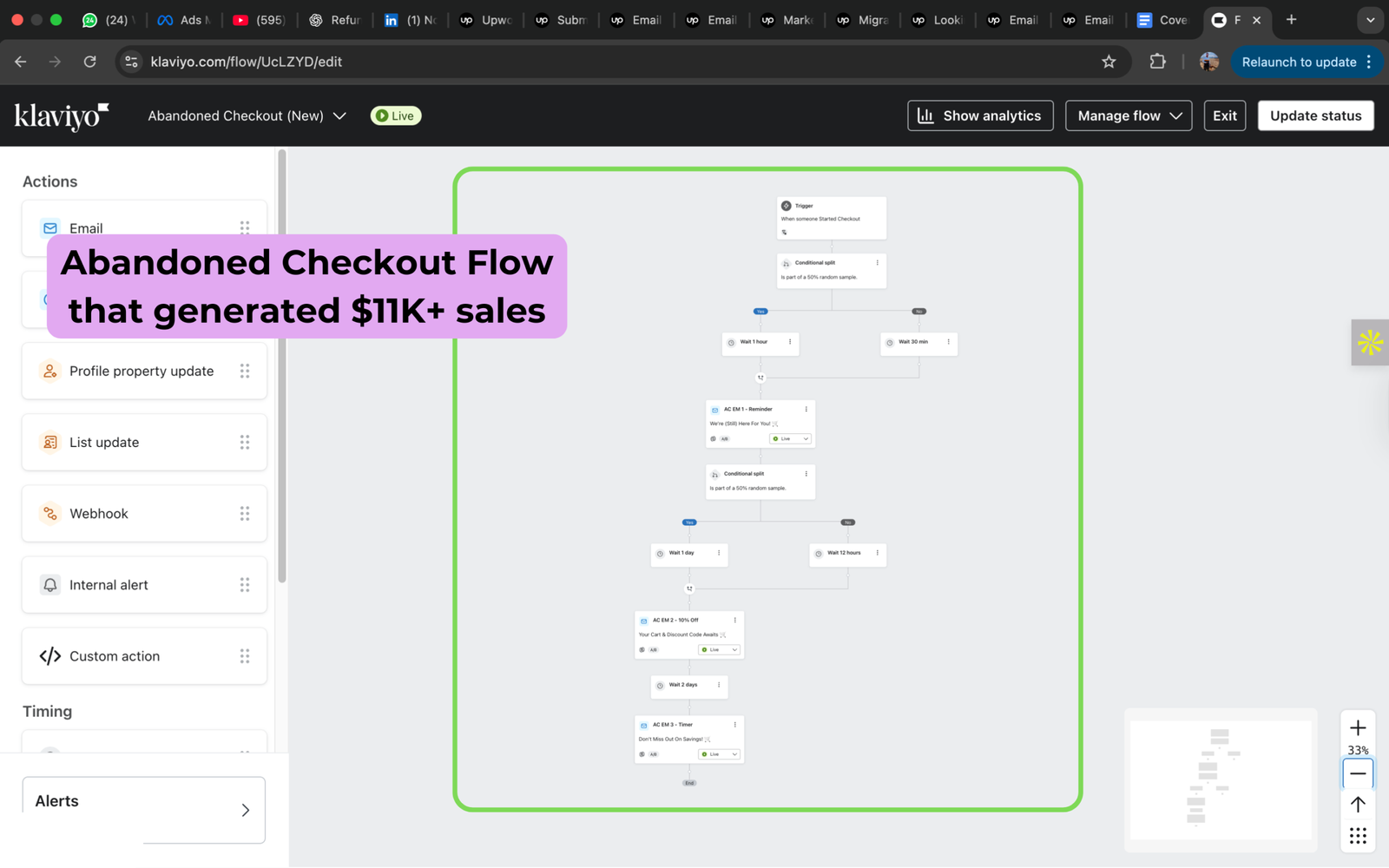


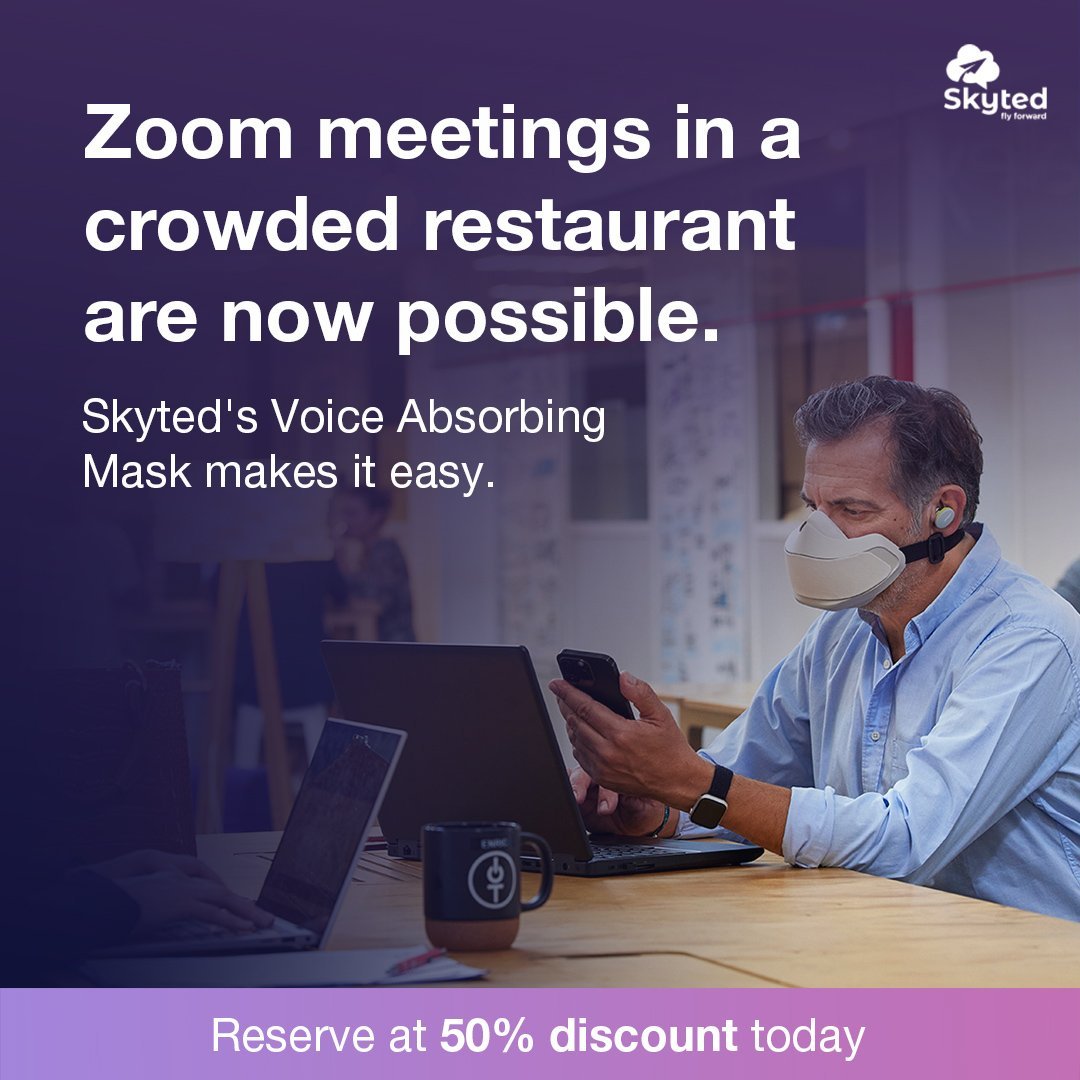




































What if your next email finally brought you sales instead of silence?
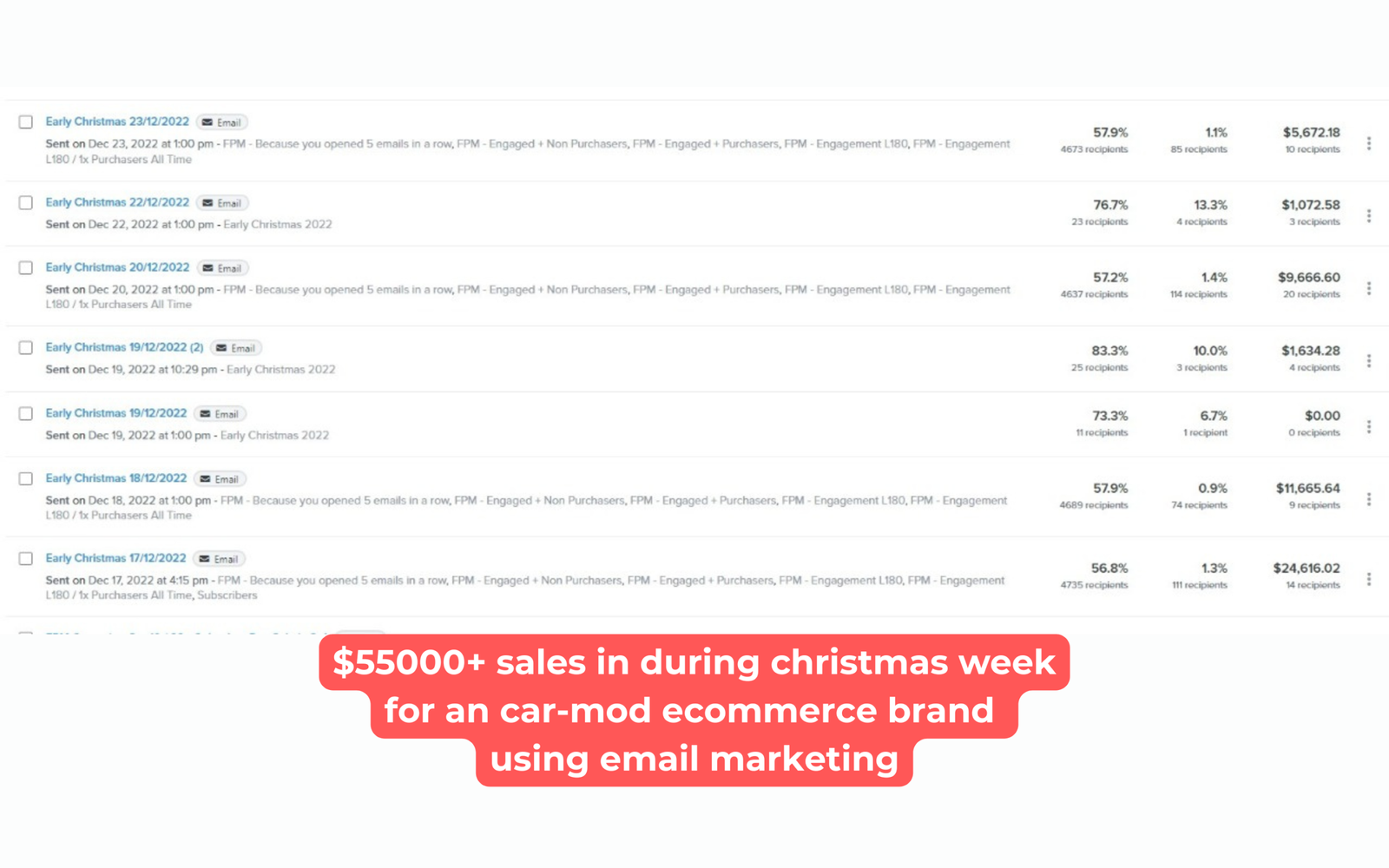
Brands Scaled with email marketing
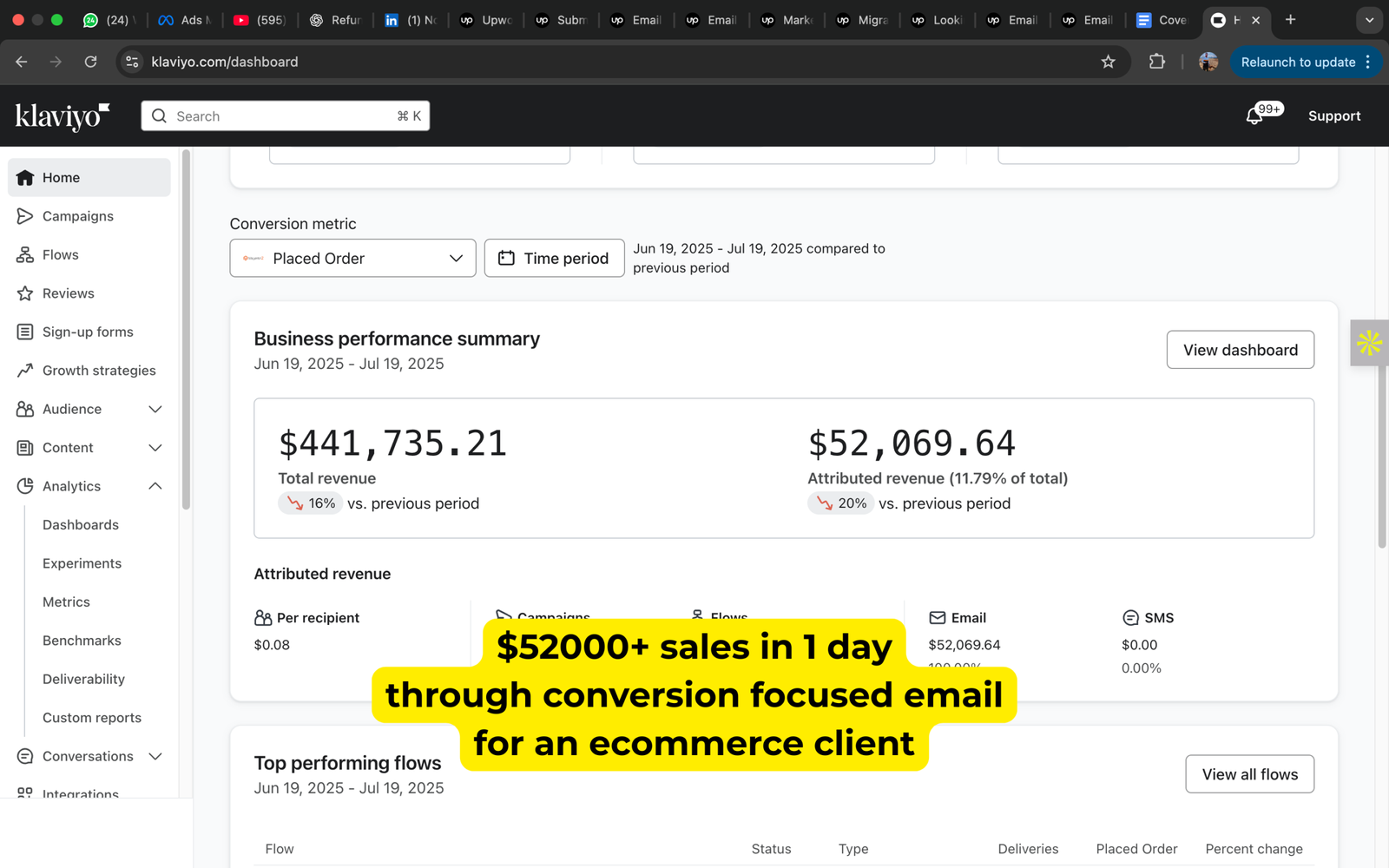
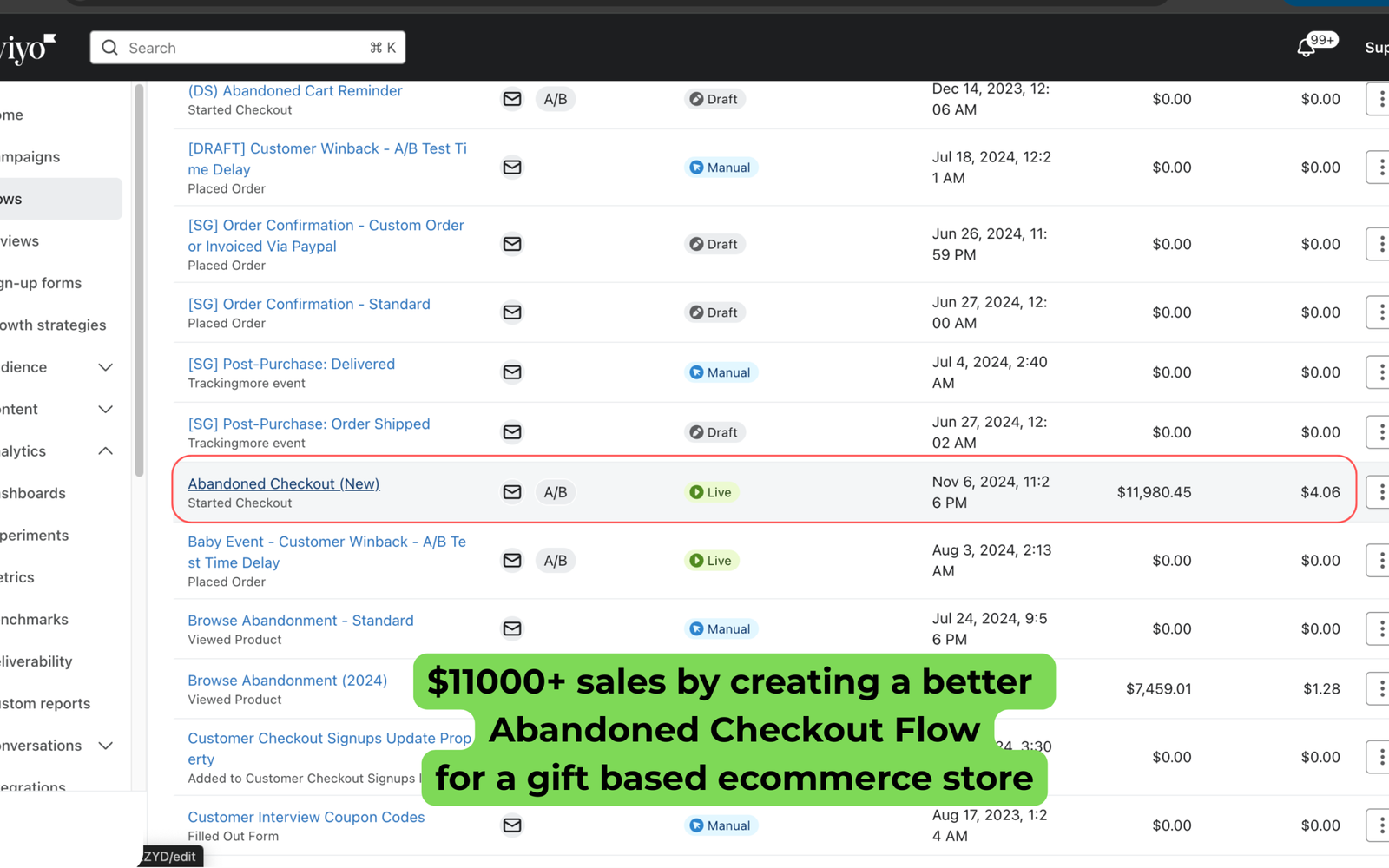
Revenue Generated with email automations only
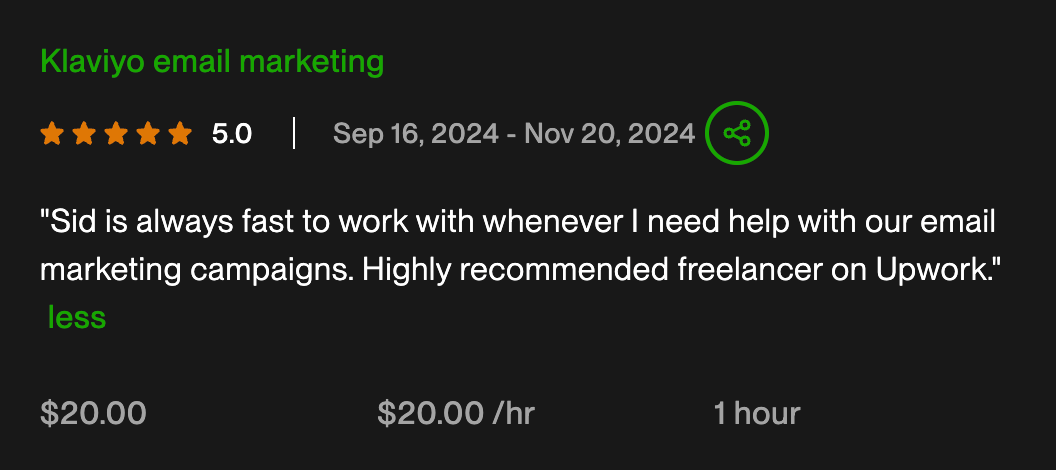
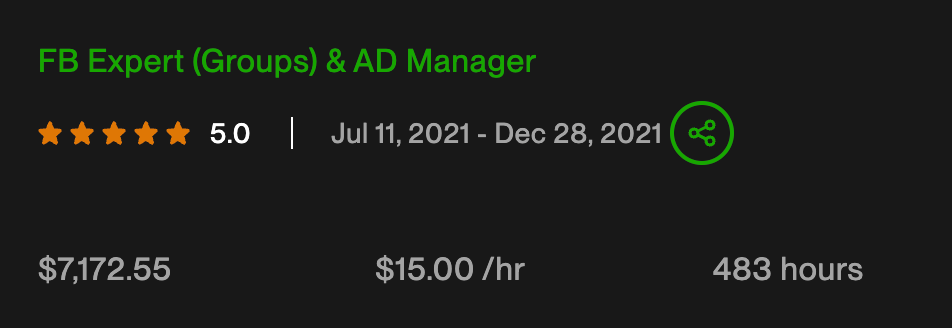
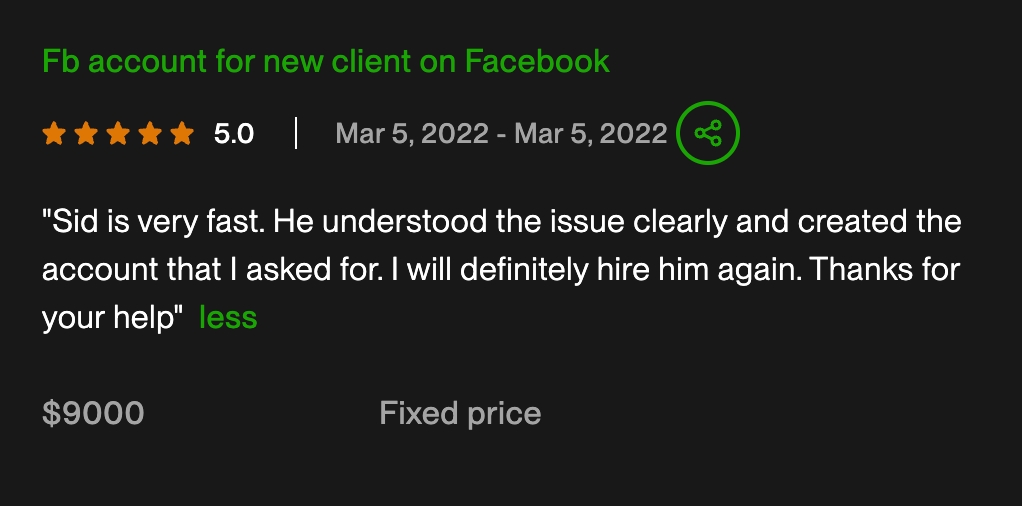
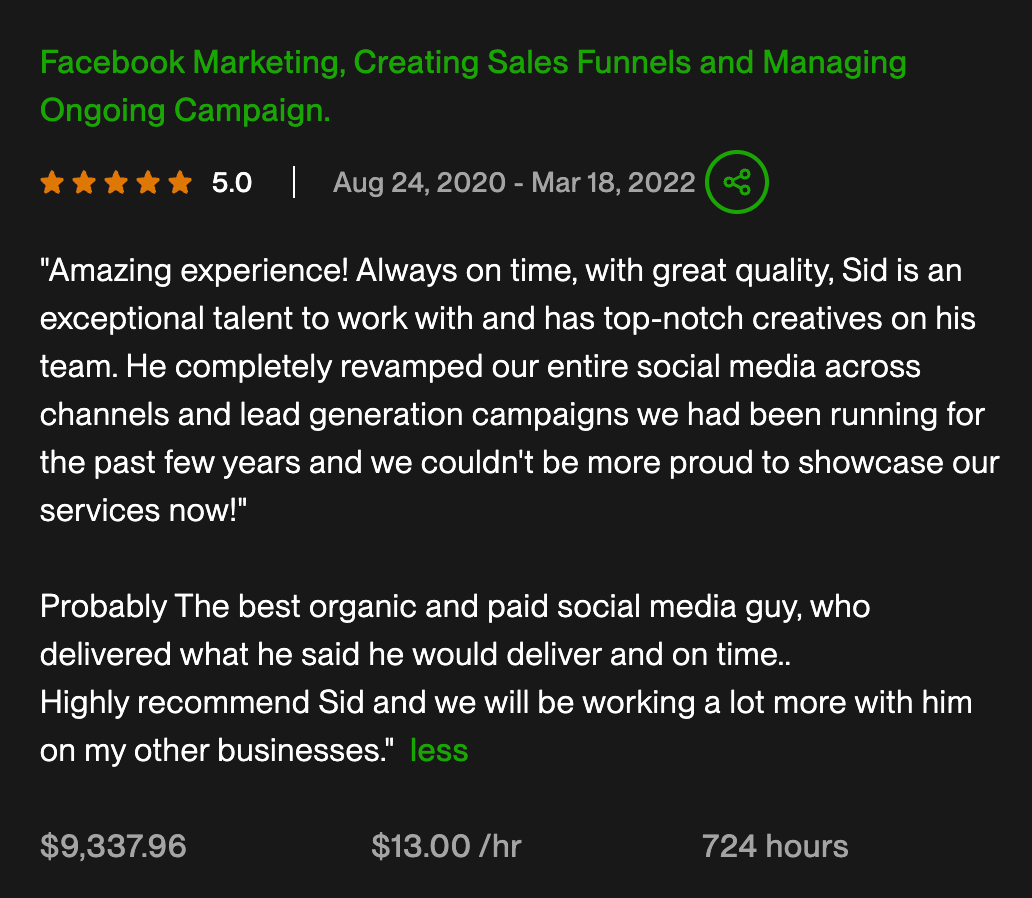
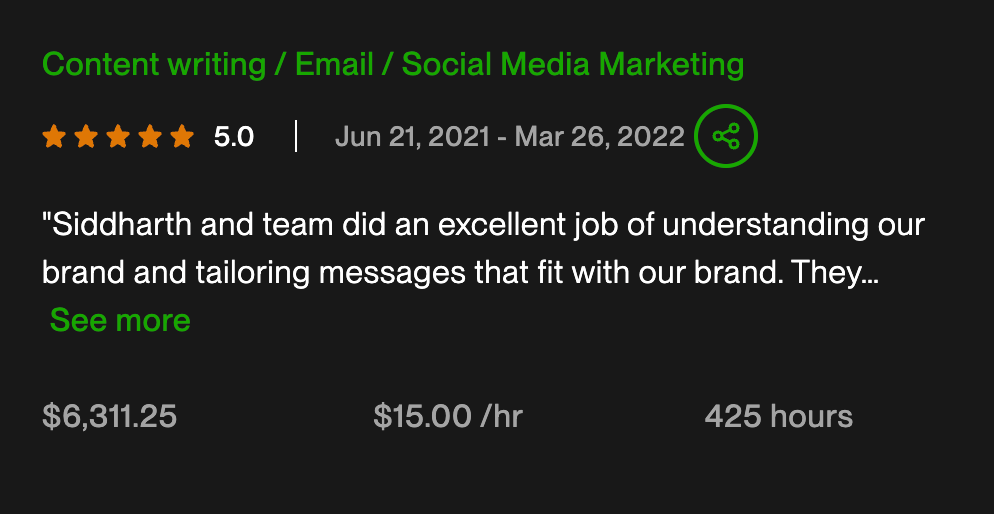
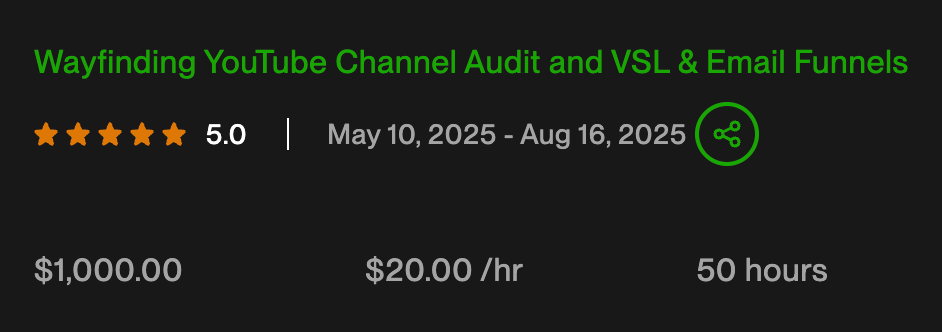
Top Rated Plus on Upwork for 3 years straight
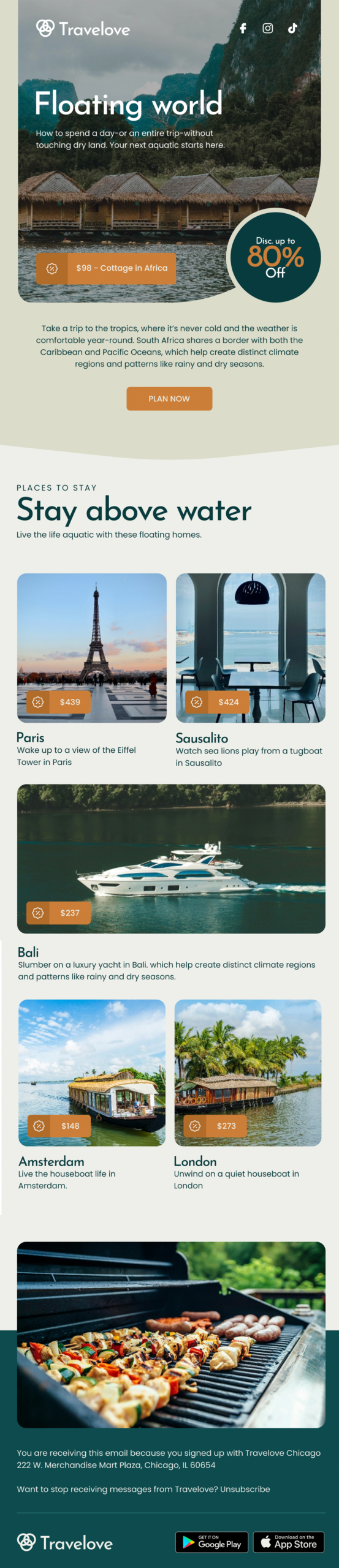
Check a few highly converting email designs
My personalized emails and designs can bring leads, convert customers, connect business owners and nurture leads on the go.
With 10+ years of core web development experience, you can count me in for any type of web development job, be it with or without code.
I have the expertise to turn that fire into a successful crowdfunding campaign and get you fully funded in less than 24 hours.
I help brands grow through strategic email marketing and successful crowdfunding launches.
With 8+ years of experience, I’ve worked with 90+ brands worldwide, helping generate $100M+ in sales through email marketing and $1M+ through crowdfunding campaigns.
My focus is on building scalable, data-driven systems that deliver predictable revenue and long-term growth.
My mission is to help brands scale profitably using high-performing email systems and well-executed crowdfunding strategies.
Every campaign, automation, and launch I work on is designed to drive real revenue, build trust with customers, and support sustainable growth.
I love email marketing and crowdfunding because they combine strategy, psychology, and execution.
Email creates owned audiences and recurring revenue, while crowdfunding builds momentum, community, and demand. When done right, they work together as a powerful growth engine.
A premium ecommerce store selling high‑end carbon fiber car mods for major car brands was stuck in a prolonged revenue plateau.
Despite strong products and a clear niche, growth had stalled.
For six months, monthly Shopify revenue hovered around $10K with no meaningful upward movement.
The brand was unable to break this ceiling despite ongoing marketing efforts.
They were trying to sell premium products with a very ordinary marketing setup.
Positioning, funnels, and messaging did not match the value or price point of the catalog.
Performance channels were also a pain point.
Roughly $12K/month was being spent on Facebook ads and agency fees without predictable returns.
In summary, the brand:
The goal was to turn paid traffic and email into a coordinated, performance‑driven engine.
The approach combined Meta ads, segmentation, and Klaviyo‑based email systems.
Instead of pushing only conversion campaigns, the first step was to feed the Meta pixel with quality engagement.
Engagement and traffic campaigns were launched to attract genuine car‑mod enthusiasts and build stronger remarketing pools.
This helped the algorithm better understand who was truly interested in this niche.
It also laid the groundwork for more effective conversion campaigns later.
The brand was using Klaviyo, but deliverability and engagement were poor.
Emails were at risk of landing in promotions or spam, and the list was under‑monetized.
A warm‑up and deliverability‑focused plan was implemented.
Sending practices, cadence, and content were adjusted to land more consistently in the primary inbox.
Over time, inbox placement and engagement improved.
The email list began to function as a genuine revenue channel.
Audiences were segmented across both ads and email into Cold, Warm, and Hot levels.
This allowed targeted messaging according to awareness and intent.
Each group received tailored offers, creatives, and flows.
The “one message to everyone” approach was removed.
Separate campaigns and ad sets were built for each stage of the funnel.
Cold audiences saw educational, aspirational content and social proof around the mods.
Warm audiences were served deeper product education, comparisons, and objection‑handling.
Hot audiences received urgency‑driven offers, bundles, and upgrade opportunities.
Budgets were actively shifted toward winning combinations of audiences and creatives.
Underperforming segments were cut back, and high‑ROI segments were scaled.
To maximize revenue per order, One‑Time Offers (OTOs) and upsells were integrated.
These aligned with the products customers were browsing or buying.
Relevant add‑ons and complementary products were highlighted both on site and via email.
The focus moved from single‑item orders to higher‑value, bundled carts.
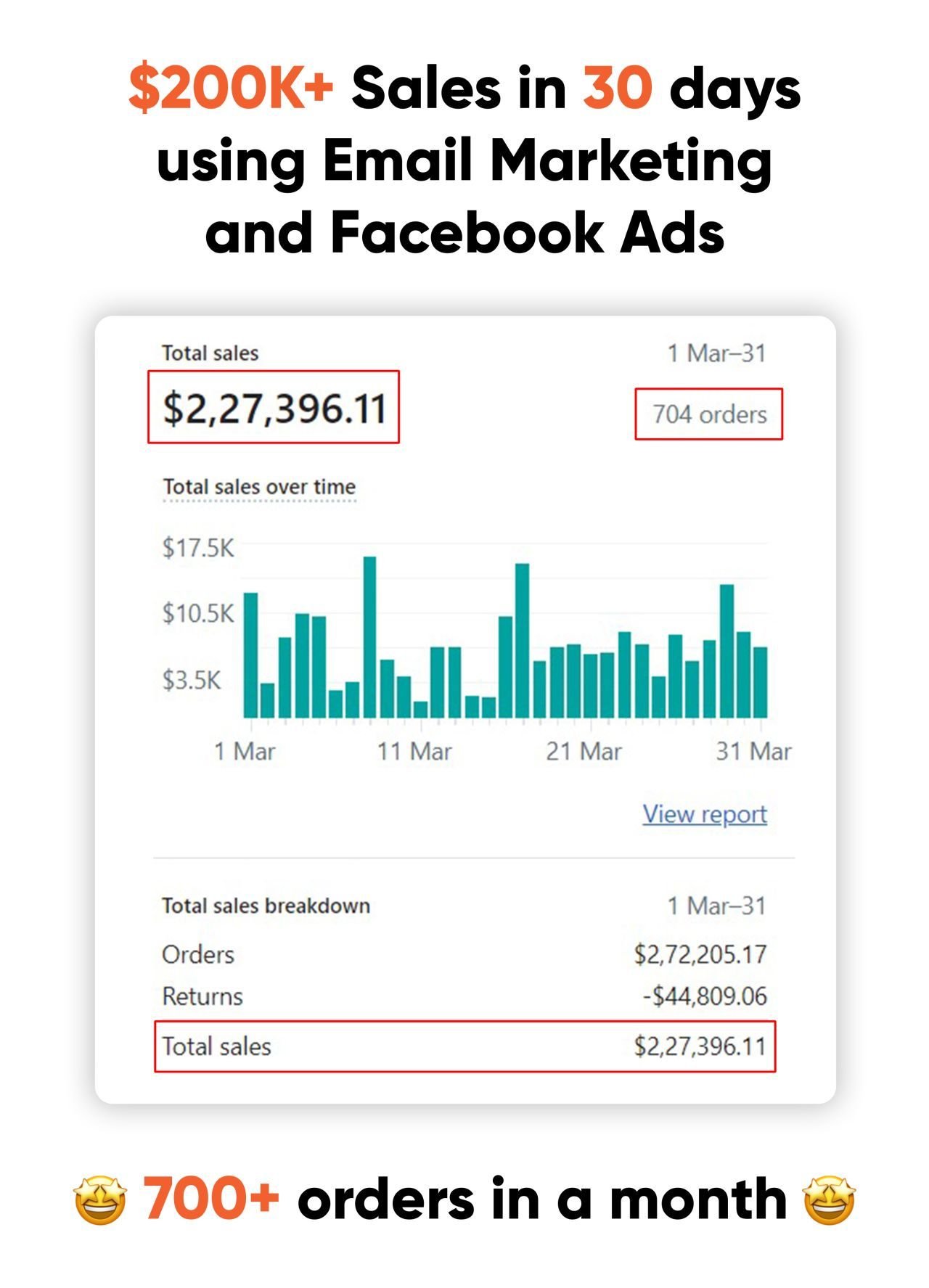
Within a few months, the new system produced a significant lift in performance.
The growth did not come from a single trick.
It came from installing a proper system around channels the brand was already using.
By:
…the brand moved from a flat $10K/month ceiling to a repeatable structure capable of delivering $200K+ months.
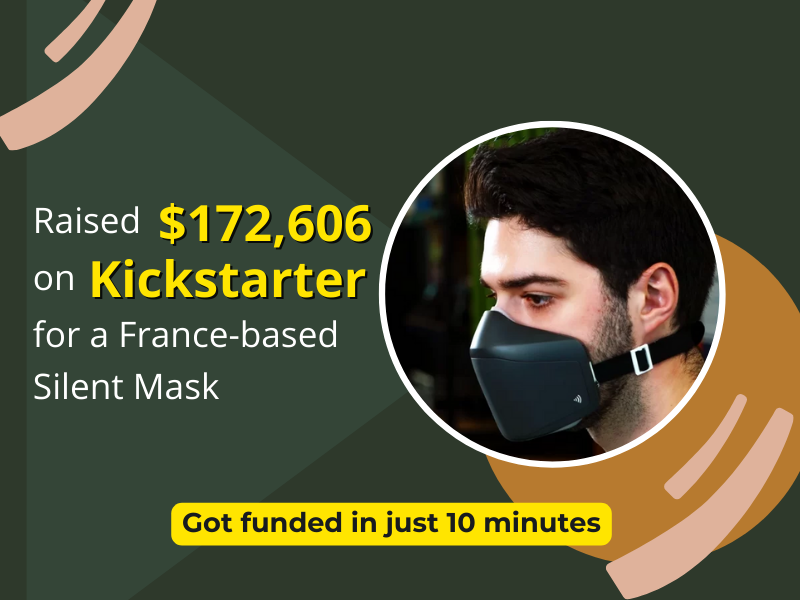
A France based founder set out to launch a silent mask built with jet engine style noise absorbing technology.
He turned to crowdfunding to validate demand and secure the funding needed to move into production.
The objective was to run a successful Kickstarter campaign that proved people were genuinely interested in this new type of silent mask.
The founder needed a complete marketing and funnel system to attract, educate and convert early adopters.
When the project began, there was no clear strategy for ads, landing pages or email.
The founder understood the product but not the mechanics of building and activating a crowdfunding audience.
The key challenges were:
The project needed:
The approach focused on three pillars: funnel design, audience nurturing and automation.
Dedicated funnels were created to separate two core audience types:
Landing and opt in experiences were designed to capture these two groups and tag them correctly.
This allowed the campaign to tailor messaging and offers according to each lead’s level of commitment.
For each audience type, email sequences were built and deployed:
VIP leads received deeper updates and insider style content.
They were treated as early partners and kept closely informed about key milestones and timelines.
In parallel, regular campaigns were planned and sent to the full list.
These emails shared product knowledge, internal development steps, campaign announcements and important dates.
Leads were segmented according to their actions:
This activity based segmentation identified highly engaged leads as well as those who needed more education.
It made it possible to customize follow up without manual sorting.
Automation flows handled:
All marketing automation was monitored and adjusted to ensure accuracy of conditions and flows.
This made the system scalable as the list grew.
As the campaign moved through pre launch towards live launch:
The communication rhythm meant that when launch day arrived, the audience was already primed.
Subscribers understood the product, trusted the team and were ready to act quickly.


The campaign’s launch and overall performance were strong:
With funding secured, the founder has started production of the silent mask.
The campaign did more than raise money; it also built a validated, highly engaged audience for the product’s next stages.
This case shows how a structured combination of funnels, email strategy, behavioral segmentation and automation can turn an early hardware concept into a fully funded, high momentum crowdfunding success.
An Australia based ecommerce startup set out to launch a reusable pantry line aimed at eliminating single use plastic from local households.
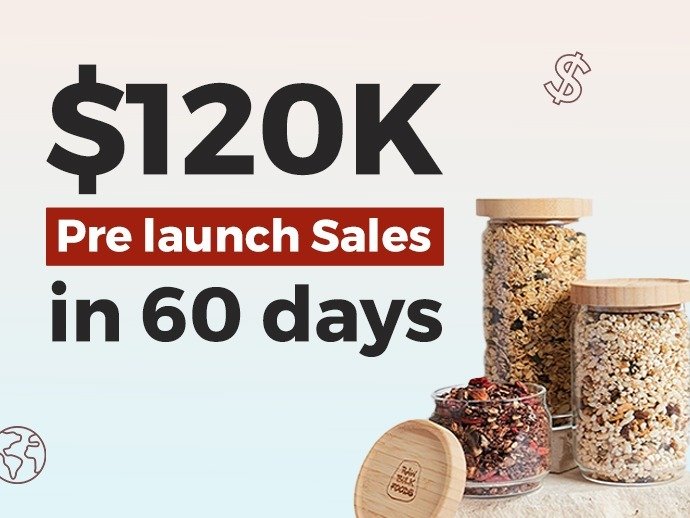
They planned to use Kickstarter to validate demand and wanted to generate at least 25,000 dollars in pre launch sales.
There was no solid plan of action for the pre launch or launch phases.
The founders assumed that simply using the Boost button on ads would be enough to hit their funding goal.
There was no email marketing strategy and no structured Facebook ads plan.
As a result, there was no predictable system to capture interest, nurture it and convert it into pledges.
The goal was to build a clear, staged path from stranger to pre launch customer with email at the core.
The work combined planning, funnels, lead generation and email driven conversion.
A detailed 30-60-120 day marketing plan was created.
This outlined what needed to happen before launch, during pre launch and leading into Kickstarter.
The plan specified when to build assets, when to run ads and when to send email campaigns.
This removed guesswork and gave the founders a clear weekly focus.
Dedicated landing page funnels were built specifically for the pre launch.
These pages educated visitors about the plastic free pantry concept and highlighted the environmental and practical benefits.
Each page had one main call to action.
Visitors were invited to join the early access list in exchange for being first in line and receiving special pre launch offers.
Structured Facebook ad campaigns were created to drive traffic to the landing pages.
The focus was on reaching eco conscious households and people already interested in zero waste or reusable products.
Instead of boosting posts, ads were designed with clear hooks, benefits and calls to action.
Every click was measured, and the objective was to generate leads at a sustainable cost.
Once leads were coming in, email became the engine of the pre launch.
Subscribers received a sequence of emails that introduced the brand, told the product story and explained the mission.
Follow up emails built anticipation for the Kickstarter launch.
They shared behind the scenes content, design decisions and clear reasons to back early rather than wait.
As launch approached, campaigns shifted to launch countdowns, reminders and clear pledge instructions.
Every email had a specific role, from nurture to announcement to final call.
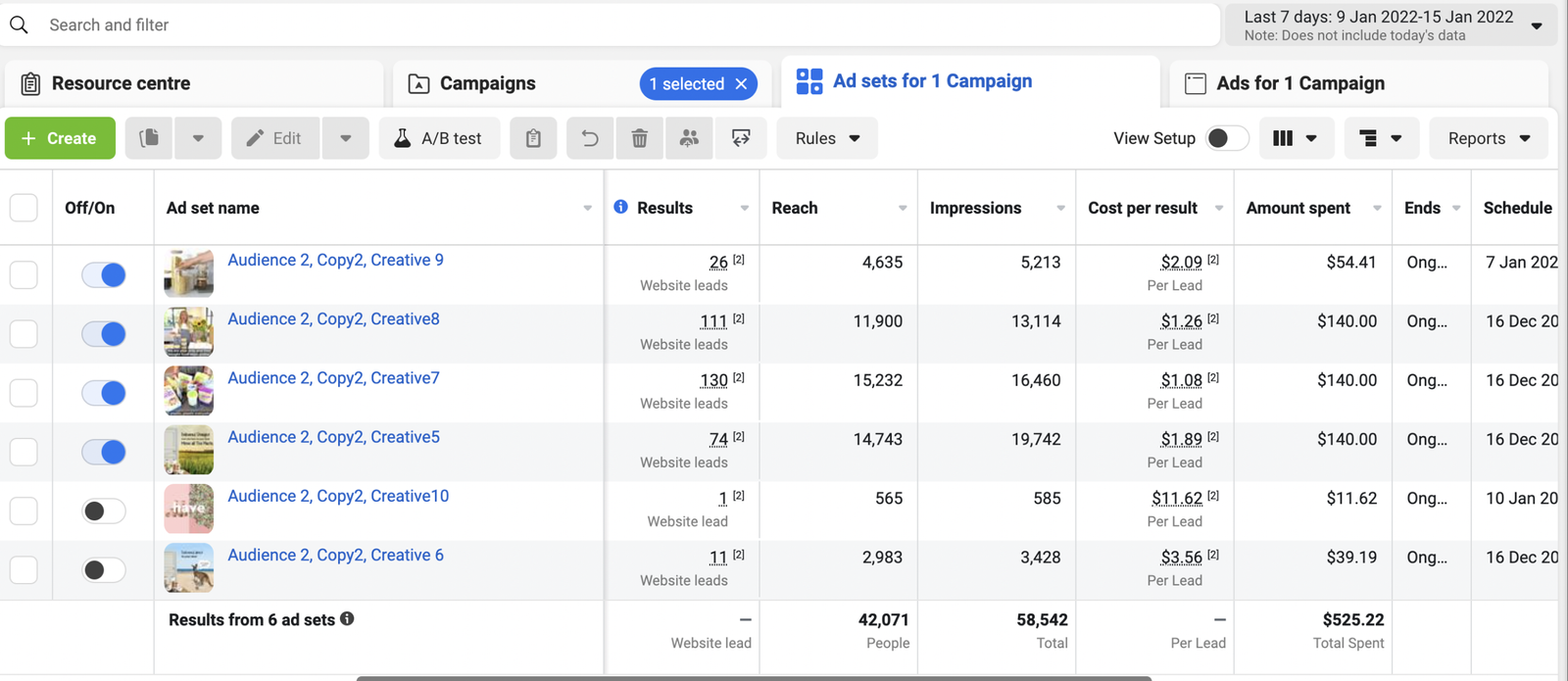
The structured pre launch system outperformed the original goal by a wide margin.
This project showed how dangerous it is to rely on Boosted posts and hope.
With a clear plan, proper funnels, structured ad campaigns and intentional email sequences, a simple eco friendly idea was able to turn a modest funding target into a six figure pre launch and a sustainable brand.
The brand has been running successfully for around one and a half years since the campaign.
It has built a presence on Instagram and continues to achieve roughly 7X return on investment using a combination of ads and email marketing.
A US based luxury jewelry ecommerce brand wanted to significantly boost online sales.
Meta ads were already running, but performance was weak and revenue growth had stalled.
The objective was to transform Meta into a high performing acquisition channel.
Success was measured by revenue lift, ROAS, cost per click and cart recovery rates.
Despite a premium product catalog and established Shopify store, online sales were underwhelming.
Meta ads were not delivering the return needed to justify ongoing spend.
Key issues identified:
Weak Meta ads performance
Campaigns were generating clicks but not enough purchases to justify the cost.
ROAS was below target and inconsistent month to month.
Poor targeting strategy
Audiences were too broad, reaching price sensitive shoppers rather than luxury buyers.
The ads were not connecting with the right affluent, gift focused customers.
No retargeting system
Cart abandoners and site visitors were not being followed up with relevant ads.
High intent traffic was being lost without additional nurturing.
Limited Shopify integration
Product catalog and dynamic ads were not fully leveraged.
There was no personalization or urgency built into the ad experience.
The result was stagnant ecommerce revenue despite ongoing ad spend and a premium product offering.
The approach focused on precision targeting, creative relevance and full funnel coverage.
Existing campaigns were paused and rebuilt with clear objectives:
Prospecting campaigns using catalog sales and broad luxury audiences.
Dynamic product ads showcasing high margin, best selling jewelry pieces.
Retargeting for cart abandoners, recent visitors and past purchasers.
Each campaign type had specific KPIs and budget allocation rules.
This structure gave Meta cleaner signals for optimization.
Audience strategy was completely redesigned:
Lookalike audiences built from high lifetime value customers and past purchasers.
Interest layering combining luxury lifestyle, wedding, gifting and high income signals.
Geographic focus on affluent US zip codes and metro areas.
Exclusion lists prevented wasting budget on low value demographics.
The focus shifted entirely to buyers who matched the brand’s premium positioning.
Full Shopify Meta integration was implemented:
Product catalog synced with real time pricing and inventory.
Dynamic ads automatically showed relevant jewelry based on user behavior.
Custom events tracked add to cart, initiate checkout and purchase accurately.
This enabled personalized ad experiences and proper attribution across the funnel.
Dedicated retargeting campaigns covered key drop off points:
Cart abandonment ads featuring the exact items left behind.
Browse abandonment showing similar price point and style recommendations.
Past purchaser campaigns with loyalty offers and new collection highlights.
Time sensitive messaging created urgency for warm audiences.
“Complete your purchase” and “Your cart is waiting” style copy drove recovery.
Once clear winners emerged, systematic scaling was applied:
Vertical scaling increased budgets gradually on top performing ad sets.
Horizontal scaling duplicated winners into new audiences and placements.
Creative refresh kept fatigue low while maintaining performance.
The focus stayed on protecting ROAS while growing overall spend.
Implementation followed a structured timeline:
Week 1–2
Account audit completed, Shopify integration configured, new campaign structure launched.
Initial creative tests across prospecting and retargeting audiences.
Week 3–4
Performance analysis identified strongest audiences, creatives and products.
Budget shifted toward winners, underperformers paused or redesigned.
Week 5–8
Retargeting fully activated, scaling began on proven combinations.
Dynamic catalog ads optimized based on conversion data.
Regular reviews maintained discipline around key metrics.
No panic edits, just systematic testing and scaling.
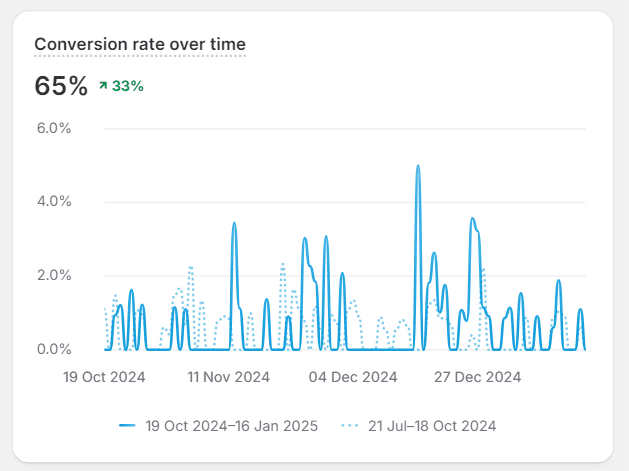
Within two months, the luxury jewelry brand saw transformative improvement:
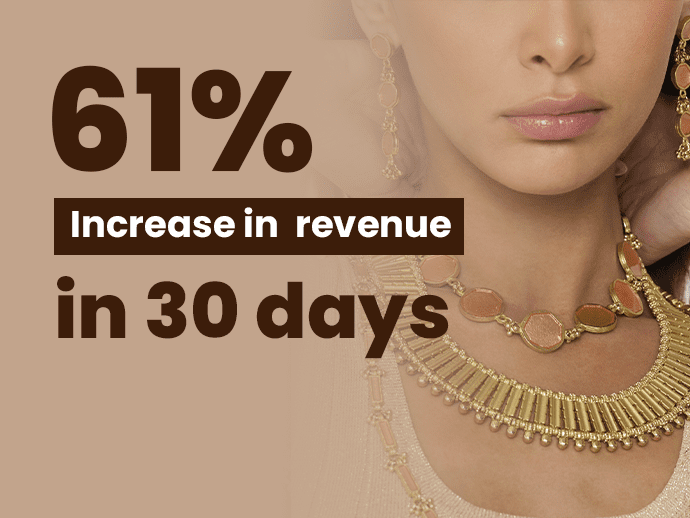
Revenue growth: Overall revenue increased by 61% month over month.
ROAS: Achieved 7X return on ad spend across scaled campaigns.
Cost efficiency: Cost per click dropped by 45% through refined targeting.
Cart recovery: 20% cart recovery rate from retargeting campaigns.
Meta shifted from a questionable expense to the brand’s primary growth driver.
The ecommerce store gained confidence to invest more aggressively in paid social.
This case demonstrates what separates luxury ecommerce success from generic performance:
Precision audience beats broad reach
Luxury buyers require specific income, lifestyle and behavior signals, not mass targeting.
Dynamic personalization drives conversion
Shopify catalog integration with relevant product ads significantly outperforms static creatives.
Retargeting captures high intent value
Warm audiences convert at much higher rates when given time sensitive, personalized follow ups.
Systematic scaling preserves performance
Gradual budget increases and creative rotation maintain ROAS during growth phases.
By combining refined luxury targeting, Shopify integration, aggressive retargeting and disciplined scaling, this jewelry brand unlocked 7X ROAS and 61% revenue growth while dramatically reducing acquisition costs.
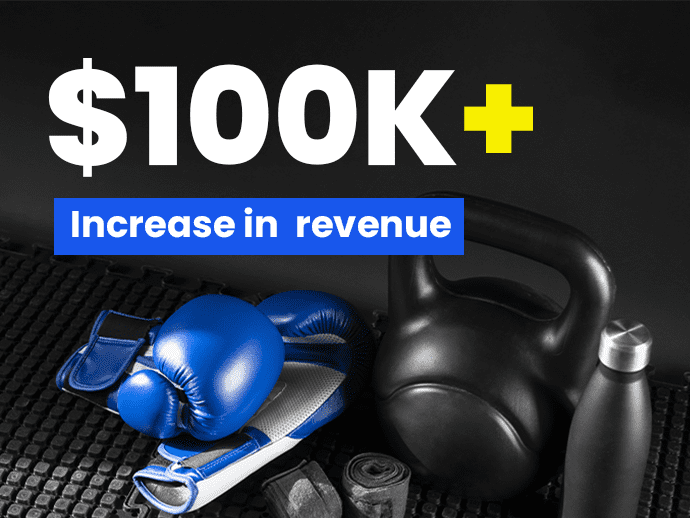
A premium fitness equipment brand based in Australia wanted to significantly boost online revenue.
The ecommerce store had strong products but was heavily reliant on organic traffic with no paid channels active.
The objective was to create multiple revenue streams through paid ads, SEO improvement, email automation and conversion optimization.
Success was measured by overall revenue growth, cart recovery rates and marketing channel diversification.
Despite offering high quality fitness equipment, the brand faced several growth barriers.
Online revenue was stagnant due to limited traffic sources and high drop off rates.
Key issues identified:
No paid ads strategy
The brand had never run Google or Facebook ads systematically.
All revenue depended on organic search, leaving growth vulnerable to algorithm changes.
Weak SEO performance
Organic rankings were poor for key product terms and the site lacked content depth.
Competitors dominated search results despite the brand’s premium positioning.
No email marketing strategy
There was no automation, segmentation or systematic follow up with site visitors.
Cart abandoners and past customers received no communication.
High cart abandonment
Checkout experience was slow and lacked trust signals.
Visitors were dropping off before completing purchases at a high rate.
The result was a single channel dependency with high friction preventing revenue scale.
The approach built a multi channel system combining immediate paid traffic with long term organic and retention gains.
Paid campaigns were structured across both platforms:
Google Ads
Search campaigns targeting high intent fitness equipment keywords.
Shopping ads featuring top products with competitive bids.
Facebook/Meta Ads
Prospecting campaigns for cold audiences interested in home fitness.
Dynamic product ads showcasing premium equipment to relevant demographics.
Both platforms used conversion focused objectives with proper tracking for purchases and add to carts.
Aggressive retargeting covered key drop off points:
Cart abandoners shown their exact items with urgency messaging.
Browse abandoners receiving lookalike product recommendations.
Video viewers and page engagers receiving dynamic ads.
A/B testing ran continuously across:
Creative formats and copy angles.
Audience segments and lookalikes.
Landing pages and checkout flows.
Technical SEO was overhauled:
Site speed optimization and mobile responsiveness improvements.
Schema markup, internal linking and category structure fixes.
Keyword research identified 50+ long tail opportunities.
Content pillar strategy implemented:
Educational blogs on home gym setup, equipment selection and fitness routines.
Buyer’s guides and comparison content targeting commercial intent keywords.
Klaviyo flows built for key moments:
Welcome series for new subscribers explaining brand story and best sellers.
Abandoned cart sequence with countdown timers and trust signals.
Post purchase upsells recommending complementary equipment.
Winback campaigns for inactive customers with special offers.
Segmentation based on purchase history and browsing behavior ensured relevance.
Shopify store received comprehensive upgrades:
Site speed improved through image optimization and app cleanup.
Checkout streamlined with one page flow and guest checkout enabled.
Trust signals added: reviews, security badges, free shipping thresholds.
Exit intent popups offering discounts to reduce immediate bounces.
The comprehensive strategy rolled out across parallel tracks:
Week 1–2
Paid ads launched, pixel/CRO tracking installed, technical SEO audit completed.
Initial email flows activated for new subscribers and cart abandoners.
Week 3–4
A/B testing results analyzed, winning ad creatives scaled.
First content pillar published, email performance monitored.
Week 5–8
Retargeting expanded, SEO content calendar filled, CRO changes tested.
Budget allocation optimized across channels based on ROAS and revenue attribution.
Weekly reviews tracked cross channel performance and customer lifetime value impact.
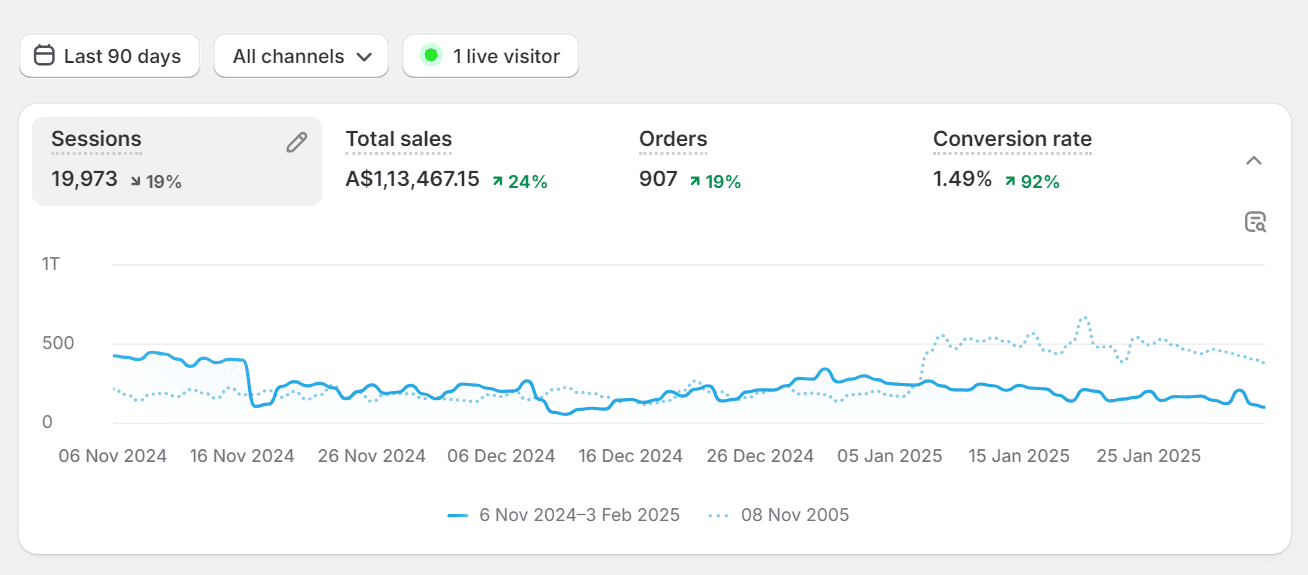
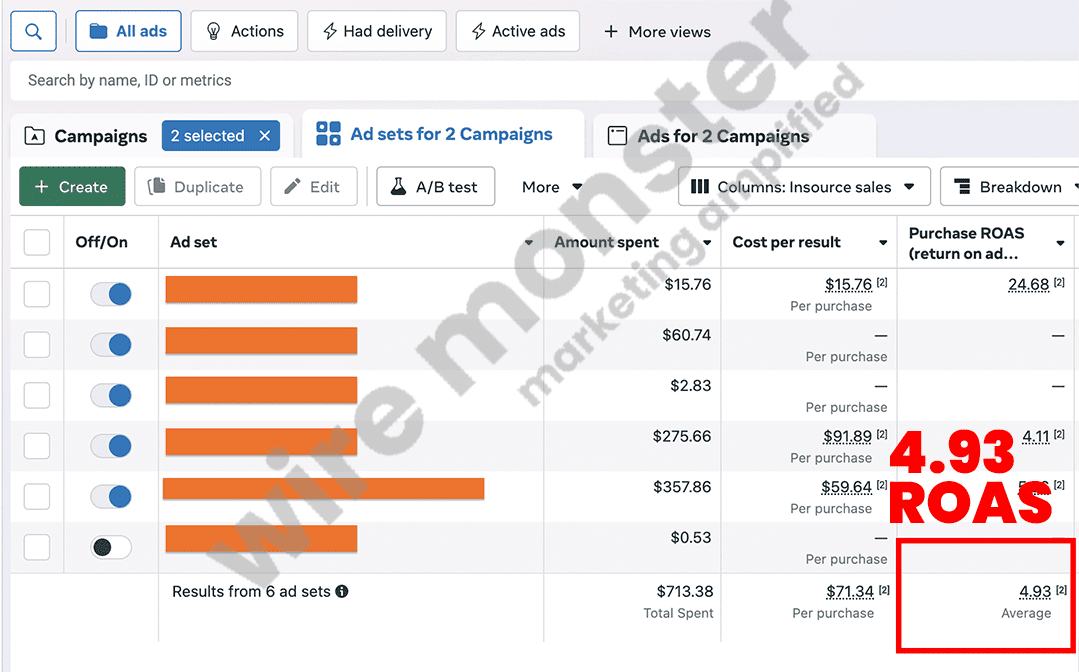
Within the initial test window, Meta’s contribution changed meaningfully:
The client chose to keep Meta as a core demand generation channel.
Budgets were expanded with confidence, using the same structure and qualification logic.
This case highlights several best practices for B2B SaaS lead generation on Meta:
With better targeting, more intentional creatives and a proper lead nurture path, Meta was transformed from a source of “junk leads” into a consistent pipeline of high intent prospects for the SaaS business.
A mid ticket DTC accessories brand approached with a clear problem: Meta ads were not profitable.
Despite consistent spend, revenue from ads hovered around break even and confidence in the channel was low.
The objective was to turn Meta into a predictable growth engine by restructuring the account, improving creatives and tightening the funnel.
Success would be measured by ROAS, cost per purchase and overall revenue contribution from Meta.
For several months, Meta ads had been delivering a ROAS in the 0.8 to 1.2 range.
In practice, this meant the brand was spending heavily with almost no margin left after ad costs.
A deeper review of the ad account highlighted several issues:
The result was an ad account that generated some sales but could not scale profitably.
The strategy focused on three pillars: structure, creative and funnel alignment.
Campaigns were restructured to reflect the customer journey:
Pixel events and conversion tracking were cleaned up so that purchases and key actions were measured accurately.
This ensured optimization decisions were based on reliable data.
The next step was to move away from generic product shots.
A creative testing plan was developed around several core angles:
For each angle, multiple variants were created across images and video.
The first three seconds and hook lines were given particular attention to improve scroll stopping power.
These creatives were launched in controlled tests across relevant audiences.
Performance was evaluated on CTR, CPC, add to carts, and purchases to identify true winners.
Winning angles were carried through to the landing experience.
Headlines, hero images and value propositions on the landing page were updated to mirror top performing ads.
This reduced the disconnect between what people saw in the feed and what they saw after clicking.
The goal was to make the path from ad click to purchase feel like one continuous story.
The plan was rolled out over several weeks:
Decisions were made on a fixed review cadence rather than daily panic edits.
This allowed campaigns enough time to exit the learning phase and provide stable data.
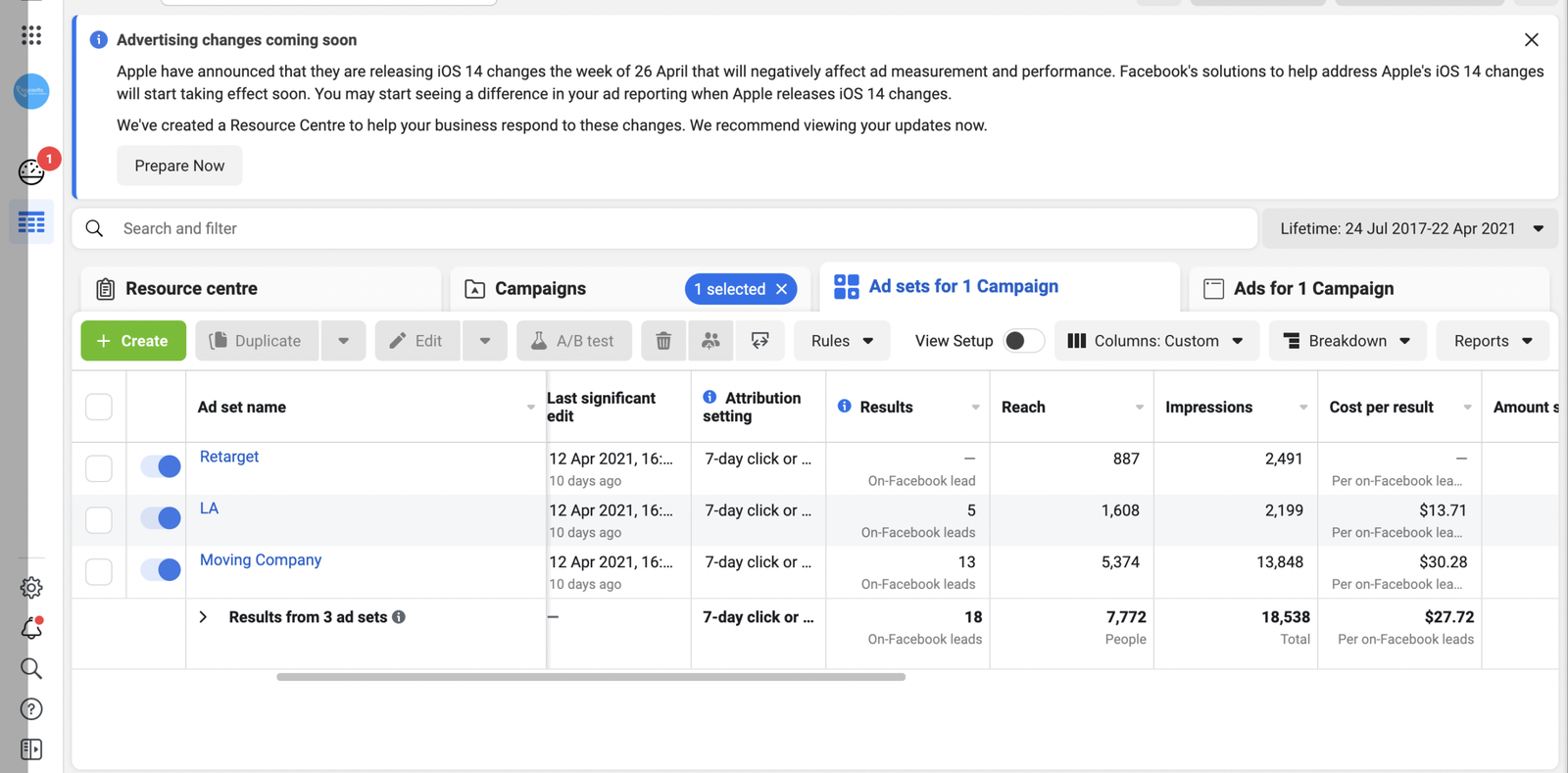
Within approximately 60 days, performance improved significantly:
This case study underscores several principles that consistently appear in successful Meta accounts:
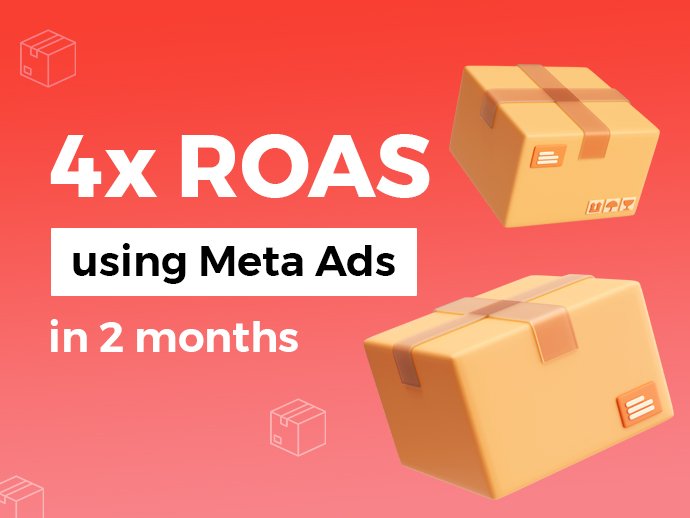
By installing structure, testing angles and aligning funnel experiences end to end, a struggling DTC brand was able to move from fragile, break even performance to a stable, scalable 4X ROAS on Meta.
A UAE based crypto platform was running Meta ads to drive sign ups and conversions.
On paper, the lead generation looked successful, but the business outcomes did not match.
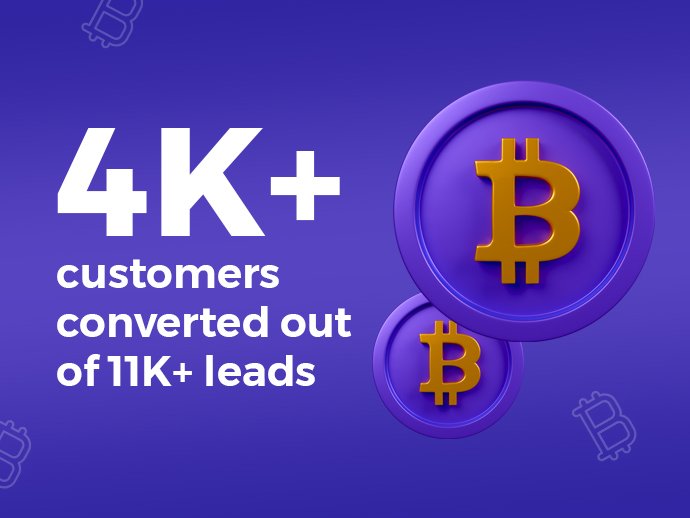
The platform had collected over 15,000 leads.
Only around 200 of those leads had converted into active customers.
Many leads assumed the platform could be a potential scam.
In a space where scams are common, there was not enough proof, education or relationship building to overcome that fear.
The core issue was not the number of leads.
It was the lack of trust and education after those leads entered the funnel.
Almost no emails were being sent to these contacts.
There was no systematic effort to teach them, earn their confidence or guide them toward their first transaction.
The client was heavily dependent on Meta ads and hoping the ads alone would somehow do the convincing.
Once people clicked and signed up, the communication largely stopped.
This resulted in a huge database of cold, skeptical leads.
Without consistent, transparent contact, most of them never took the risk of funding or trading on the platform.
The goal was to turn a list of suspicious leads into informed, confident users.
The approach combined more trustworthy ad creative with a structured email and automation system.
The first step was to shift ad design and messaging away from “get rich” style promises.
Visuals and copy were updated to emphasize security, transparency, regulation and education.
Testimonials, social proof and platform credentials were highlighted instead of aggressive sales hooks.
The ads became an entry point to a relationship, not just a one time pitch.
Retargeting campaigns were then set up specifically for existing leads.
These ads reminded them of the platform, shared proof points and reinforced the idea that this was a legitimate, long term player.
The real change came from putting email at the center of the follow up.
Structured automations were created to replace silence with clear guidance.
A Welcome Drip was set up for new and existing leads.
This introduced the brand story, explained how the platform works and clarified safety, compliance and support options.
Further email sequences covered topics like how to deposit, how to trade and what to expect on first login.
The aim was to reduce fear and decision friction by making every step simple and transparent.
To activate the large pool of inactive leads, a contest was launched via email.
Participants were asked to complete key actions such as registering, funding an account or making their first trade.
Each step in the contest was clearly explained and supported by how to style emails.
This turned an abstract “you should try us” into a concrete, game like journey with rewards.
The contest gave hesitant users a reason to come back and explore the platform again.
It also provided a structured path from curiosity to actual usage.
As leads started converting, the work did not stop at the first transaction.
Additional automations were built around setup guides and how to emails.
These journeys helped customers navigate the platform confidently and discover core features.
The focus was on retention, habit building and long term usage rather than one off trades.
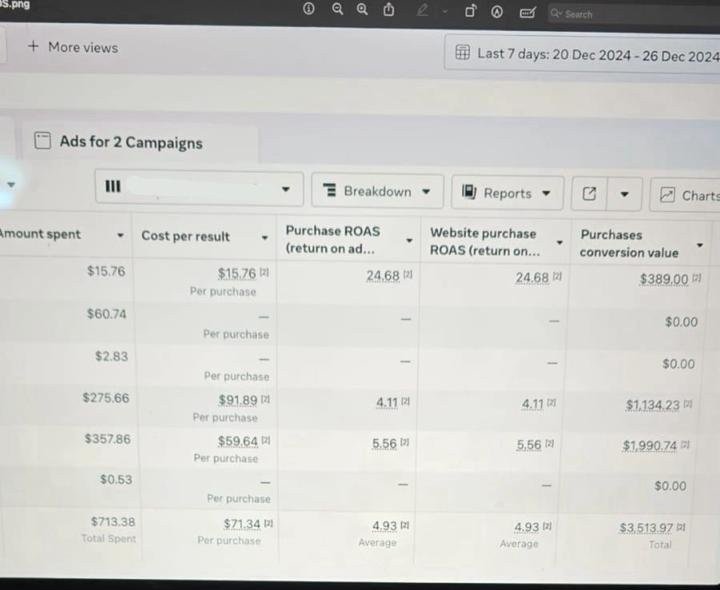
Within about 40 days of implementing the new system, the impact was clear.
For this crypto platform, the problem was never just “more leads.”
It was the absence of nurturing, education and proof.
By:
…the company converted a cold, skeptical database into thousands of paying customers and seven figure transactional volume in a matter of weeks.
With email and trust building in place, the platform’s brand perception improved significantly.
Awards and recognition followed as usage and visibility grew.
The business has since expanded operations into more than ten countries.
Email, combined with carefully framed ads, continues to support user acquisition, activation and ongoing engagement.
A well known stylish stationery ecommerce brand with strong reach and reputation wanted to run a successful crowdfunding campaign for their new retractable fountain pen.
The goal was to validate the new retractable pen concept and raise significant funding through crowdfunding.
The brand needed a structured system rather than relying only on organic reach.
The team did not yet have a tested funnel for crowdfunding.
They needed clarity on ads, landing pages and how to activate existing customers as warm backers.
Key gaps included:
The approach centered on pre launch list building and email led activation, supported by Meta ads and communities.
The work began with Meta ads focused on testing.
Multiple creatives, content angles and audiences were tried to see what resonated best.
Once the winning creatives, copy and audiences were identified, budgets were focused on those combinations.
Leads began to come in at a sustainable cost, which allowed scaling before launch.
A dedicated landing page was created as the hub of the pre launch.
Ad traffic was sent here so visitors could understand the pen story and details before signing up.
The page invited people to become members of the launch list.
They were promised prior notification and priority access when the campaign went live.
The brand already had a customer database of more than 8,000 people.
These were highly relevant warm leads, familiar with the brand’s quality and style.
This list was integrated into the pre launch strategy.
Email campaigns and flows were used to inform them about the upcoming pen and invite them onto the launch list.
Leads were segmented based on their activity on emails.
People who opened and clicked regularly were identified as higher intent.
This segmentation made it possible to focus energy on the most engaged subscribers.
Launch communications and reminders could be weighted more heavily toward those showing real interest.
In addition to the brand’s own audience, external backer communities were approached.
These communities were asked to support the campaign and share it with their own leads and customers.
This expanded reach beyond the original audience.
It also added social proof, as known communities endorsed and shared the campaign.
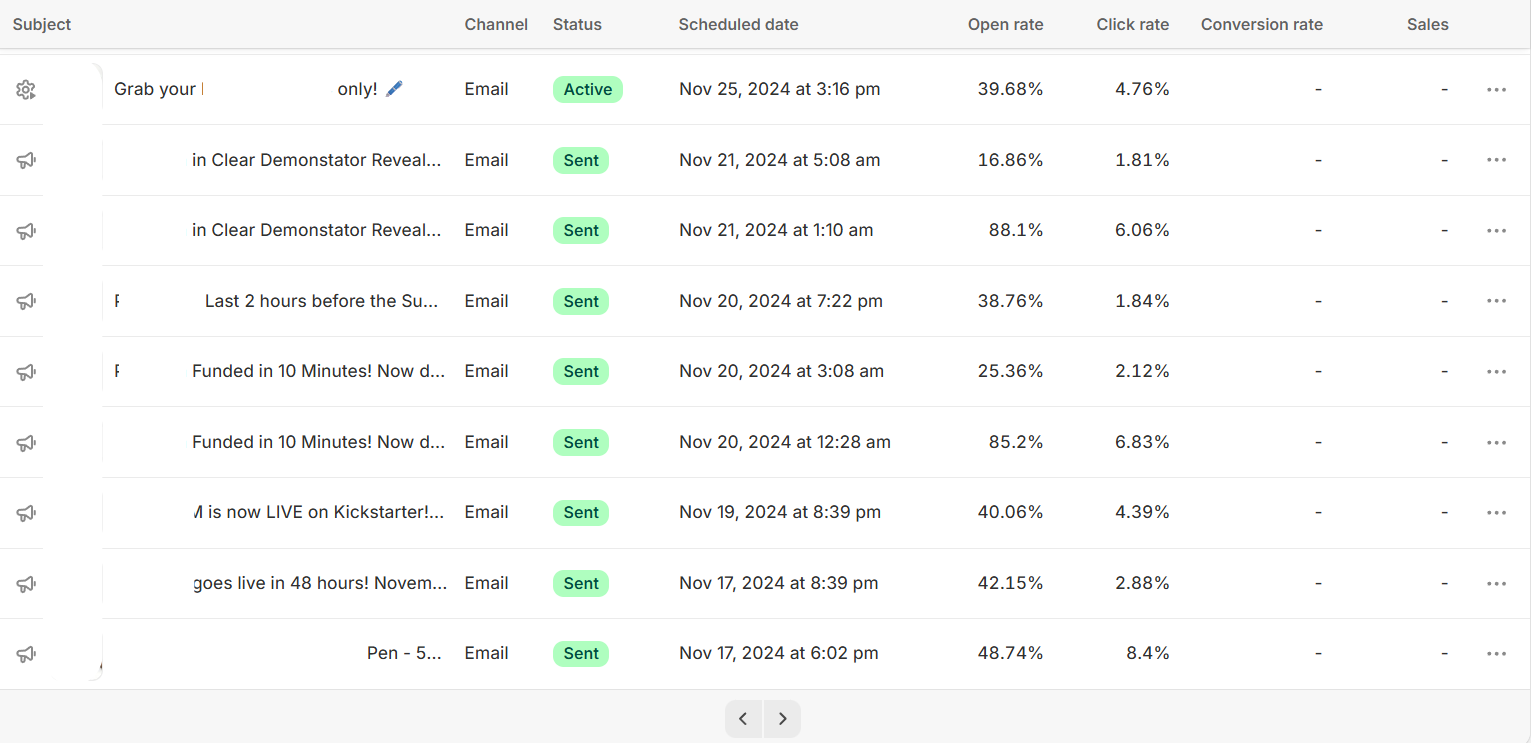

By the time the campaign went live, the pre launch foundation was strong:
The launch itself delivered standout numbers:
This campaign demonstrates how pre launch work drives crowdfunding outcomes, not launch day alone.
By:
…the brand turned a single product idea into a quarter million dollar crowdfunding campaign and reinforced its position as a leading stationery name.
A services business was using online forms to collect project and billing details from clients, then manually copying that information into spreadsheets and invoicing tools.
The objective was to turn every form submission into a structured row in an Excel tracker and then trigger an invoicing workflow automatically, without human intervention.
The old process looked like this:
A client filled a form with project or billing details.
Someone from the team opened the response, checked fields and then added a new row into the correct Excel sheet.
If the project was new, a new sheet or table had to be created manually.
Only after that could the invoicing process start.
This led to:
Delays between form submission and invoice creation.
Occasional mistakes in copy‑pasting or putting data in the wrong sheet.
No easy way to keep forms, sheets and invoicing logic in sync as the business scaled.
The solution was a single n8n workflow that listened to form submissions, organized data into the right Excel structures and then called a separate “Invoicing Creation Flow” automatically.
Goals:
Make form submission the only manual step.
Create or reuse sheets and tables on the fly.
Guarantee that every valid submission reaches the invoicing system with complete data.
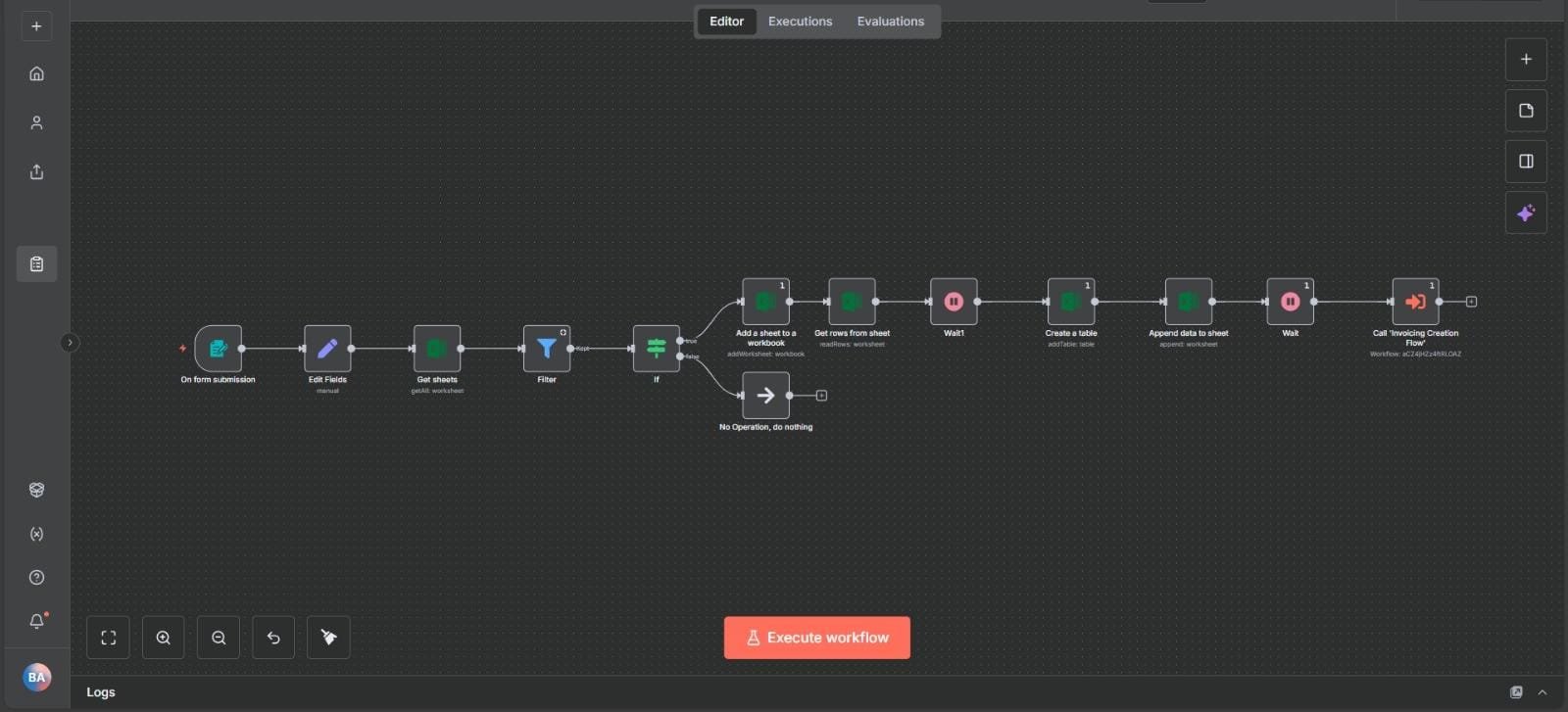
The n8n flow you built follows a clear left‑to‑right sequence.
On form submission node fires whenever a client submits the form.
An Edit Fields node standardizes and renames key fields so downstream steps use consistent labels.
This ensures inputs coming from the form tool match the structure the tracker and invoicing flow expect.
A Get sheets node checks the existing workbook to see what sheets already exist.
A Filter or If node decides whether this project or client needs a new sheet or can use an existing one.
If a new sheet is needed:
Add a sheet to a workbook creates it programmatically.
Get rows from sheet and a short Wait step ensure everything is ready for table creation.
If a sheet already exists:
The flow skips the creation branch and moves ahead with “No operation, do nothing” on that path.
Create a table sets up a structured table inside the appropriate sheet.
Append data to sheet writes the cleaned form data into the table as a new row.
This means every submission is logged in the correct place with the right columns, without anyone opening Excel.
After another brief Wait node (to avoid race conditions), the flow calls “Invoicing Creation Flow”.
That downstream workflow handles bill or invoice creation using the just‑appended data.
From the team’s point of view, a form submission now directly triggers invoice prep without extra clicks.
Rollout steps included:
Mapping current form fields to Excel columns and invoicing requirements.
Building and testing the sheet‑detection logic with sample projects.
Running the workflow in parallel with the old manual method for a short period.
Fully switching once the team was confident that sheets and invoices were being created correctly.
Because everything is visual in n8n, adjustments such as adding a new field or a new client type are now a matter of tweaking a node, not redoing the whole process.
After implementation, the business saw immediate operational improvements:
Time saved per submission
The team no longer had to open responses, create sheets or paste data by hand.
Form‑to‑invoice prep time dropped from several minutes to near zero.
Better data consistency
Every row followed the same structure, which improved reporting and reduced invoicing errors.
Faster cash cycle
Invoices could be created much sooner after the client filled the form, helping cash flow and client experience.
A well designed n8n flow can turn a simple form into the front door of an entire billing pipeline.
Automating sheet creation, table setup and data appends removes the repetitive steps that usually slow down finance and operations teams.
By connecting form submissions directly to structured Excel tracking and an invoicing workflow, this automation turned a fragile, manual process into a clean, scalable system that can grow with the business.
A growing ecommerce and crowdfunding focused business was spending hours every week stitching tools together manually.
Leads, events and campaign data lived across forms, ad platforms, email, sheets and dashboards, with no central automation tying it all into a clean workflow.
The objective was to design a robust n8n automation that could reliably capture, enrich, segment and sync data across the stack.
Success was measured by time saved, error reduction and how “launch ready” the data was for email, ads and reporting.
On paper, the tech stack was strong.
In practice, it felt like a patchwork of disconnected islands.
Key problems:
Manual lead handling
New leads from forms, landing pages and ads were being exported and imported by hand.
This created delays, duplicates and a constant fear of “did we miss someone before launch”.
No single source of truth
Parts of the funnel lived in different tools with no consistent IDs or structure.
Simple questions like “how many warm leads clicked X and joined Y segment” took too long to answer.
Brittle one off zaps
Previous automation attempts were small, linear zaps that broke easily when a field changed.
There was no visual, testable workflow that showed end to end logic.
Scaling problem
As campaigns and clients grew, the cost of manual operations grew with them.
Anything involving conditions, branching or multi step logic was a nightmare to maintain.
The result: smart strategy constrained by operational drag.
The solution was to build a single n8n workflow that could act as the “nervous system” of the funnel.
The design principles were: modular, visual, debuggable and friendly to future changes.
Core goals:
Capture all key events and leads in one place.
Clean, enrich and standardize data as it flows.
Branch logic based on behavior and attributes.
Sync out to email, sheets, CRMs and alerts automatically.
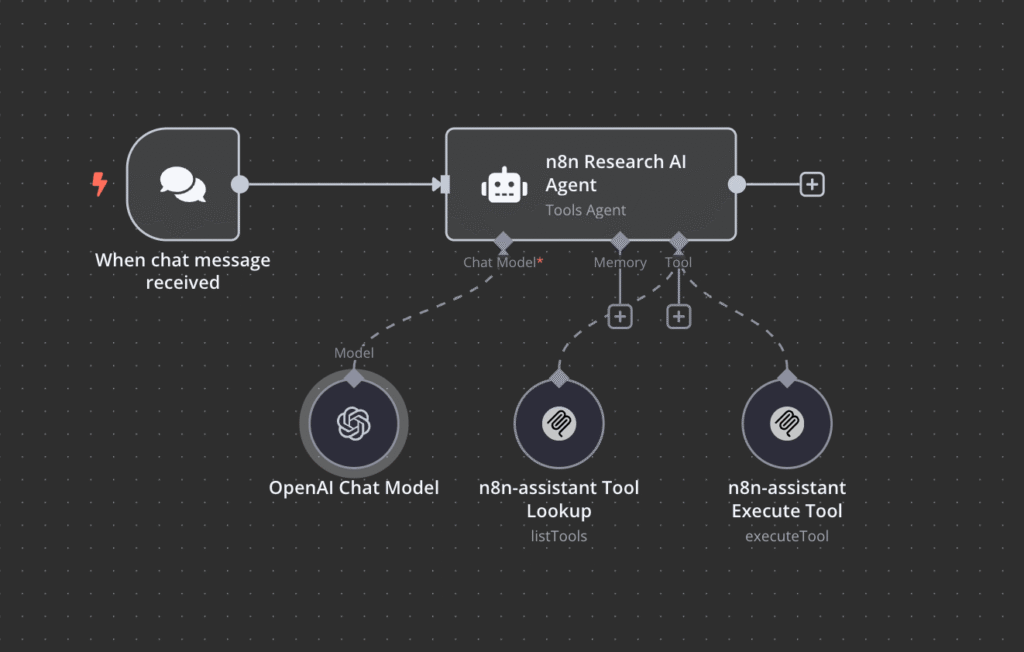
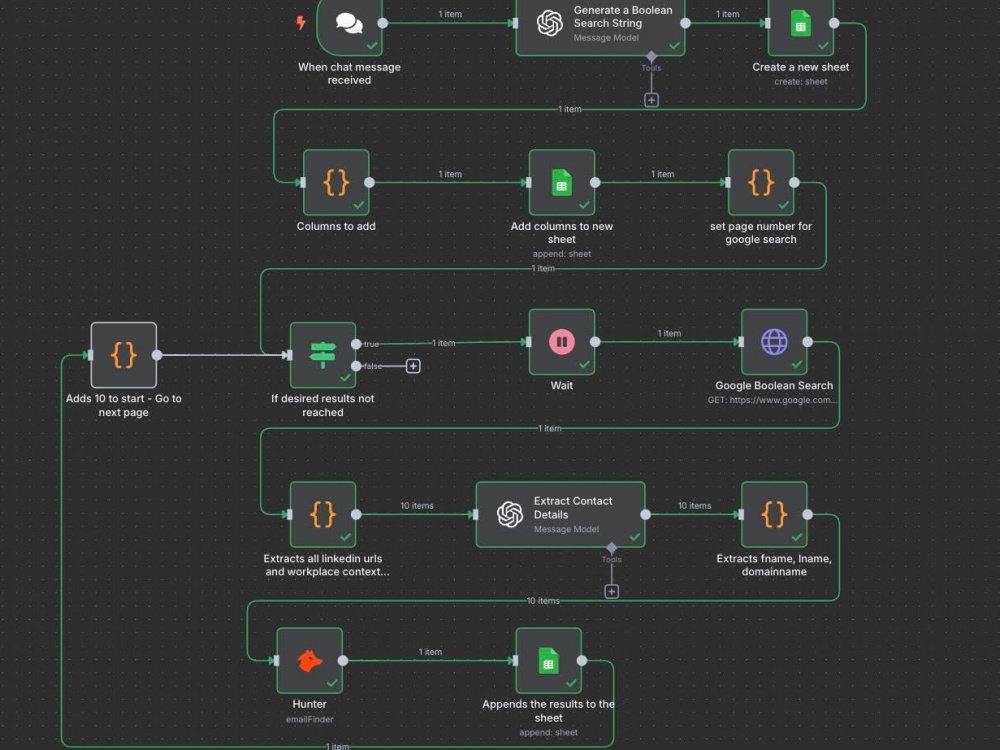
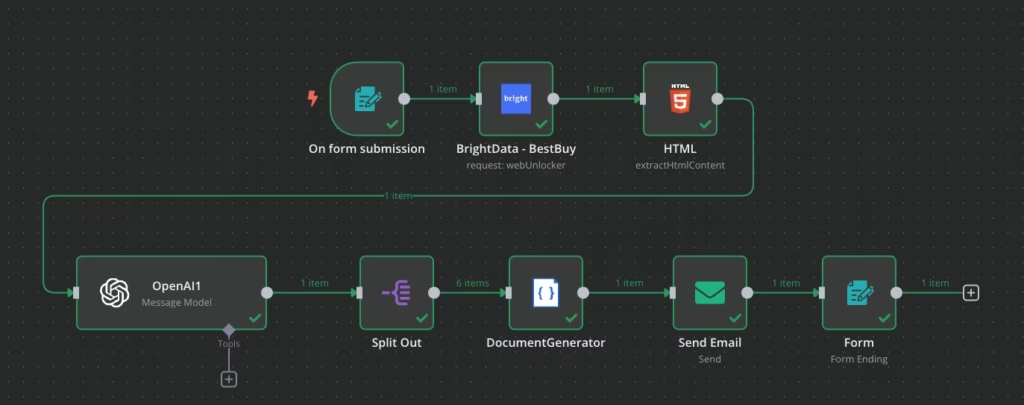
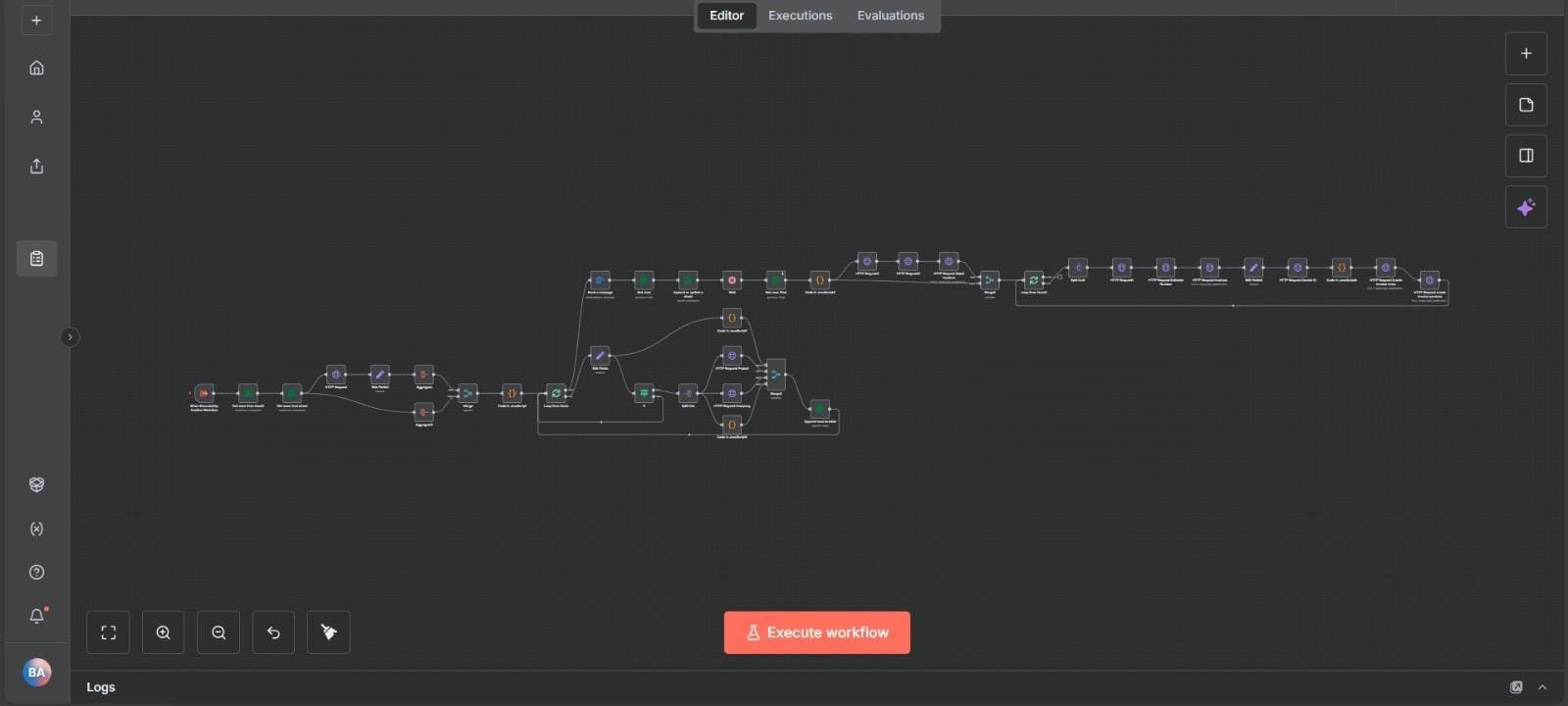
The final n8n workflow (shown in the screenshot) is a multi stage pipeline with clearly separated blocks.
1. Trigger and intake layer
Entry nodes listen to webhooks, app events or scheduled checks.
Leads and events from forms, ads and other sources enter through this layer.
2. Validation and cleaning
Data is validated for required fields like email and tags.
Normalization rules handle things like casing, country formats or custom fields.
3. Branching and segmentation
Conditional nodes route contacts based on tags (e.g. cold, warm, VIP) or source.
Different paths handle ecommerce, crowdfunding, and other project specific flows.
4. Enrichment and tagging
Additional fields are appended (UTM data, campaign names, timestamps).
Contacts are labeled in a way that downstream tools can segment and personalize easily.
5. Sync and notifications
Clean data is pushed to email platforms, CRMs, spreadsheets or dashboards.
Internal notifications are sent when key events happen (e.g. VIP signup, high value action).
Each block is visible in n8n, so the full customer journey can be traced node by node.
The workflow was built and refined in phases:
Phase 1: Map every existing manual step and tool.
Phase 2: Create a first end to end version that replicated the process exactly.
Phase 3: Add optimizations, better branching and error handling.
Phase 4: Turn off legacy zaps and manual exports once the new flow proved stable.
n8n’s execution logs made debugging straightforward.
If something broke, it was easy to see where and fix the specific node without rewriting everything.
Once fully adopted, the automation delivered tangible benefits:
Operations time savings
Tasks that previously needed daily manual attention now ran 24/7 without human input.
The team could focus on strategy and creative instead of exports and field mapping.
Fewer errors and missed leads
Standardized logic reduced duplicates and data inconsistencies.
Leads reliably landed in the right lists and segments before launches.
Faster launch and iteration cycles
New campaigns could be plugged into the existing workflow by adding or tweaking nodes.
No need to rebuild everything from scratch for each project.
Clear visibility
The visual workflow doubled as documentation.
Anyone on the team could see at a glance what happens to a lead from first touch to activation.
A well designed n8n workflow can replace dozens of ad hoc zaps and manual tasks with a single, scalable system.
Visual branching and clear stages make complex marketing operations easier to understand, debug and improve over time.
When data capture, cleaning, segmentation and syncing are automated, every other part of growth work gets lighter and faster.
A small finance team was drowning in manual invoice handling.
Vendors emailed PDFs to a shared inbox, and someone had to download each file, read the details, key them into trackers, and then push them into the accounting system.
The objective was to turn this repetitive workflow into a nearly hands free system using n8n, OCR and AI.
Success was measured by time saved per invoice, error reduction and how quickly invoices reached the “ready to authorize” stage.
The existing process looked simple on paper but was painful in practice.
Every invoice arrived by email as a PDF.
Someone manually checked vendor name, amount, date, and category.
Details were pasted into an Excel tracker and then entered into accounting later.
The finance lead also wanted notifications so nothing slipped through the cracks.
Problems:
High manual load and context switching across email, Excel and accounting.
Risk of typos or missed invoices during busy periods.
No structured way to reuse extracted data for analytics or downstream automations.
The team needed a workflow that could read invoices, extract the right fields and keep everything logged and visible without constant human intervention
The solution was a two stage n8n workflow:
Email intake and accounting handoff.
OCR extraction, tracking and notifications.
The design had to be robust but easy to understand, so the team could trust and maintain it.
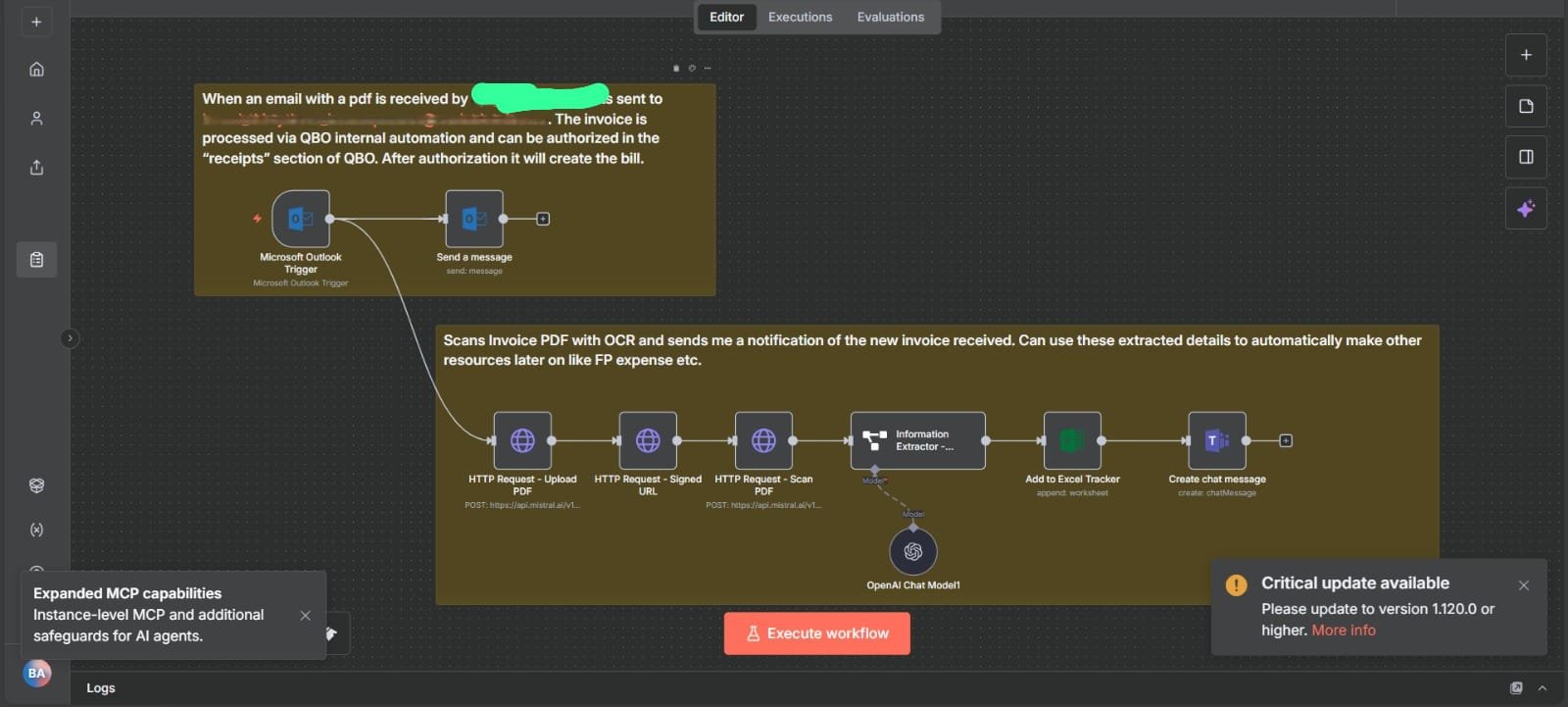
The final flow (shown in the screenshot) connects Outlook, OCR, AI, Excel and chat in a single automation.
A Microsoft Outlook trigger listens for incoming emails with PDF attachments sent to a dedicated address.
When a new invoice email arrives, n8n picks it up and sends an internal notification confirming receipt.
This ensures every invoice starts its journey automatically from the moment it hits the inbox.
The invoice PDF then flows through a sequence of HTTP and model nodes:
HTTP Request – Upload PDF sends the file to an OCR service endpoint.
HTTP Request – Signed URL and Scan PDF steps handle secure access and text extraction.
An Information Extractor model (OpenAI chat node) parses the OCR text and structures key fields like vendor, date, total, tax and reference numbers.
This combination turns a raw PDF into clean, machine readable data that can be reused anywhere.
Once fields are extracted:
An Add to Excel Tracker node appends a new row to the master expense or invoice tracker.
Each row includes core fields plus metadata like processing date and source.
The Excel file becomes a live, always updated log of incoming invoices with no manual copying and pasting.
To keep the team in the loop:
A Create chat message node posts a summary into the internal chat tool (e.g. Teams).
The message includes vendor name, amount and a link or reference back to the invoice.
Finance and operations get instant visibility when a new invoice appears and can act quickly if needed.
In parallel, a higher level part of the flow sends the invoice to the accounting system (e.g. QBO) for internal automation and later authorization.
After authorization, the bill is created automatically, closing the loop from email to books.
Implementation steps:
Mapped the current manual workflow from email arrival to accounting entry.
Built a first pass n8n flow handling just email intake and OCR.
Layered in the AI extraction, Excel logging and chat notifications.
Tested with historical invoices to validate accuracy and edge cases.
Switched production inbox over once the team was confident in results.
The visual nature of n8n made it easy to adjust thresholds, add fields or change destinations without rewriting everything.
After rollout, the finance team saw immediate changes:
Time savings
Manual data entry for each invoice was reduced to quick checks and approvals.
The repetitive “download, read, copy, paste” loop virtually disappeared.
Fewer errors and missed invoices
Every invoice that hit the inbox passed through the same automated checks and logging.
The central Excel tracker became a reliable, up to date source of truth.
Faster processing
Invoices reached the “ready to authorize” stage much faster, improving vendor relationships.
Real time chat alerts meant nothing sat unseen in the inbox.
Future extensibility
Because all key data is structured, the team can now plug this workflow into further automations such as FP&A dashboards, expense allocations or approval workflows.
Email + PDF is not a dead end when combined with OCR, AI and n8n.
A single well designed workflow can replace dozens of manual micro tasks in finance operations.
By automating invoice intake, extraction, tracking and notification, this n8n setup turned a high friction back office process into a smooth, auditable pipeline that runs quietly in the background while the team focuses on higher value work.